

Serving couscous on Fridays in Morocco is a tradition deeply rooted in history, religion, and family life. Although there is no religious obligation to eat couscous on this day, over the centuries, this custom has become a true symbol of sharing and conviviality.
Why does this tradition endure?
Friday, the Sacred Day in Islam:
Friday (Yawm al-Jumuah) is the most important day of the week for Muslims. Its the day of the grand collective noon prayer, during which families gather after attending the mosque. Historically, this gathering calls for a generous meal capable of bringing together multiple generations around the same table. Naturally, couscous has established itself as the ideal dish.
A Dish Designed to be Shared:
Unlike many individual dishes, couscous or Kssekssou in Darija is traditionally served in a large communal dish called a Kasria. Everyone gathers around it and eats from the part in front of them. This way of eating strengthens family bonds, encourages interaction, and evokes the values of solidarity that are so important in Moroccan culture. The Friday meal is not just a time for nourishment; its a moment to spend time together.




A Preparation That Requires Time:
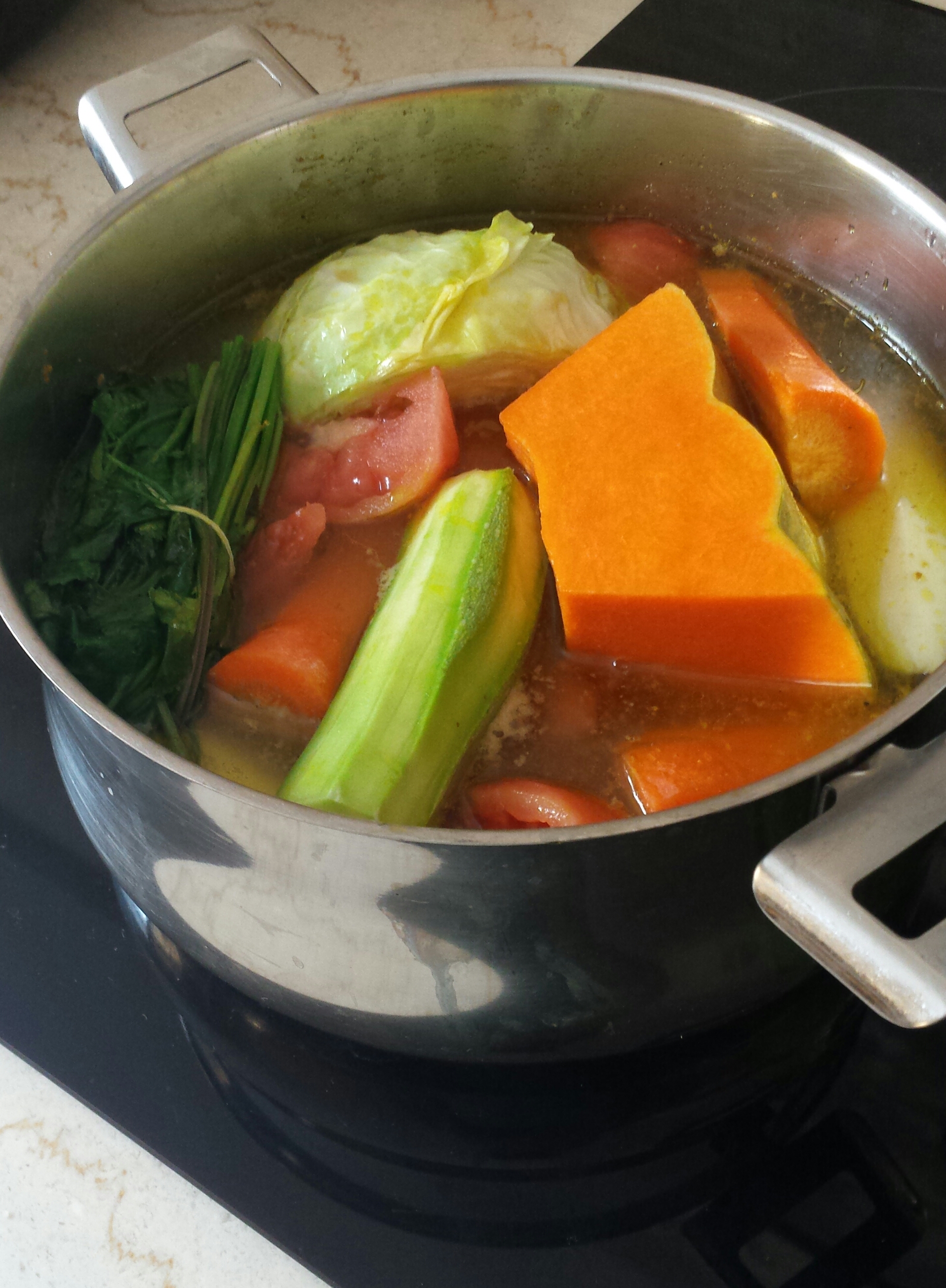
Preparing a true traditional couscous is an art that doesnt happen on a whim. The semolina is ideally rolled by hand and cooked multiple times over steam in a couscoussier, while the broth simmers slowly with vegetables, spices, and meat or chicken. In the past, women would often spend Friday mornings dedicating several hours to this preparation, knowing that the whole family would gather later.
A Tradition of Generosity:
In many Moroccan families, Friday couscous also means sharing with others. Its common to send a plate to neighbors, an elderly person, a sick relative, or a family in need. This gesture reflects the values of generosity and mutual aid that accompany this blessed day.
Regional Variations:
Each region of Morocco has its own Friday couscous:
- The seven-vegetable couscous, the most widespread.
- Farm chicken couscous.
- Beef or lamb couscous.
- Couscous with caramelized onions and raisins (tfaya), served at major occasions.
- In coastal regions, some families even prepare fish couscous.
Despite these differences, the spirit remains the same: uniting the family around a generous meal.
A Tradition Still Very Much Alive:
Even though modern life rhythms have changed habits, Friday couscous remains a staple in many Moroccan households. Children come home to eat with their parents, grandparents are invited, and doors often remain open to unexpected visitors. Beyond its culinary richness, Friday couscous embodies a certain idea of family: one where time is taken to come together, to share a lovingly prepared meal, and to continue a tradition passed down from generation to generation.
Indeed, this is likely the true secret of Friday couscous: more than just a dish, its a living heritage where each grain of semolina tells a story of transmission, generosity, and conviviality.
Lben, the Traditional Companion of Couscous:
In Morocco, Friday couscous is often accompanied by a large glass of lben, a traditional fermented milk drink. Refreshing and slightly tangy, lben is obtained naturally after fermenting milk and then churning it to separate the butter from the liquid part. Its texture is fluid, and its taste is delicately tangy.
This combination is not a matter of chance. Lben brings a pleasant sensation of freshness, which balances the heat of the broth and the richness of the spices. It pairs perfectly with the semolina and aids in the digestion of the often generous meal. For many Moroccan families, its difficult to imagine a traditional couscous without a glass of lben beside the plate.
For many Moroccans, this drink also evokes childhood memories, Friday family meals, and country life, where milk came directly from farm cows or goats. Even today, despite changing lifestyles, lben remains one of the most authentic symbols of the couscous meal and fully contributes to this culinary experience passed down from generation to generation.
This is why I often propose a cooking class centered around couscous on Fridays. My guests particularly enjoy discovering this tradition when its truly lived by Moroccan families. Beyond learning the skills and flavors, they share a genuine moment of life.
Together, we prepare couscous respecting tradition: vegetables are carefully selected, the broth simmers gently, the semolina is steamed to achieve a light and airy texture, while the spices gradually reveal all their aromas. I also take this opportunity to tell the story of couscous, explain its place in Moroccan culture, and share memories from my childhood when the entire family gathered around this iconic dish.
When the couscous is finally served, I always see the same wonder on my guests faces. Its generosity, the fineness of its semolina, the tenderness of the meat or chicken, the sweetness of the vegetables, and the richness of the broth delight their palates. Many tell me theyve never tasted such a fragrant and balanced couscous. But what they remember most is the warm atmosphere accompanying the meal: the exchanges, the laughter, the sharing, and the feeling of having experienced, for a lunch, a true Moroccan tradition.
That is precisely what I wish to convey through my cooking classes: far more than a recipe, an immersion into a way of life where each meal is an opportunity to bring people together around the same table and create memories that remain long etched in hearts.
Cook. Share. Taste. Live Morocco.